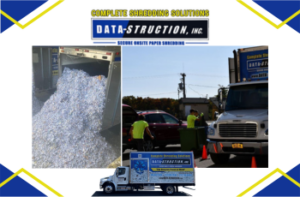
In today’s digital world, identity theft is often associated with hacked emails and stolen passwords. But paper documents remain one of the most common – and overlooked – sources of fraud. Old bank statements, medical records, payroll documents, and tax returns can contain everything a criminal needs to steal your identity. That’s why secure document shredding in Tampa is an essential safeguard for both businesses and individuals. Proper destruction isn’t just about cleaning out files — it’s about protecting your future. Sensitive Information Isn’t Just Online While cybercrime gets the headlines, physical documents still present serious risks. Items such as: Tax returns Utility bills Bank statements Pay stubs Medical records Credit card statements contain personal details that can be used to open accounts, secure loans, or commit fraud. Throwing these documents in the trash — even torn up — leaves you vulnerable. Instead, many residents and business owners rely on professional shredding companies in Tampa to ensure documents are destroyed beyond recovery. Dumpster Diving Is Still a Real Threat It may sound outdated, but dumpster diving remains a common tactic for identity thieves. Trash bins outside offices, apartment buildings, and homes can contain improperly discarded paperwork. Hand-tearing or lightly shredding documents isn’t enough. Papers can be reconstructed with time and patience. Professional document shredding in Tampa uses industrial-grade, cross-cut equipment that reduces documents into tiny, unreadable fragments. Once shredded professionally, reconstruction is virtually impossible. That level of destruction eliminates the risk at its source. Secure Shredding Helps Businesses Stay Compliant For organizations in healthcare, finance, education, and legal services, secure document disposal is more than a best practice — it’s a legal requirement. Regulations such as HIPAA, FACTA, GLBA, and FIPA require businesses to properly destroy sensitive records. Failure to comply can result in serious fines, lawsuits, and reputational damage. Working with experienced shredding companies in Tampa ensures documents are destroyed securely and documented properly. Reputable providers issue Certificates of Destruction, giving businesses written proof that records were handled responsibly and in accordance with regulations. Compliance isn’t optional — and secure shredding makes it manageable. Routine Shredding Reduces Risk and Clutter Keeping outdated paperwork increases both physical clutter and security exposure. The longer documents sit in storage, the greater the risk of loss, theft, or unauthorized access. Scheduling regular document shredding in Tampa — whether monthly, quarterly, or annually — keeps your workspace organized and your sensitive information protected. Many shredding companies in Tampa also offer community shredding events, making secure disposal accessible and affordable for local residents. Don’t Let Paper Put You at Risk Identity theft remains a serious concern, but it is often preventable with proactive measures. Choosing professional document shredding in Tampa is one of the simplest and most effective ways to protect personal and business information. Once documents are securely destroyed, they can’t be recovered, misused, or exploited. If you’re looking for reliable shredding companies in Tampa, Complete Shredding Solutions provides secure, compliant document destruction backed by years of experience and trusted local service. Protect your information before it becomes someone else’s opportunity.